
How to Choose the Right Urea Fertilizer for Your Crops
For modern agriculture, selecting the right fertilizer is critical to maximizing crop yield, improving soil health, and reducing production costs. Urea fertilizer is one of the most widely used nitrogen sources for crops, offering high nitrogen content and excellent efficiency. However, not all urea fertilizers are created equal, and choosing the right type for your specific crop and soil conditions can make a significant difference.
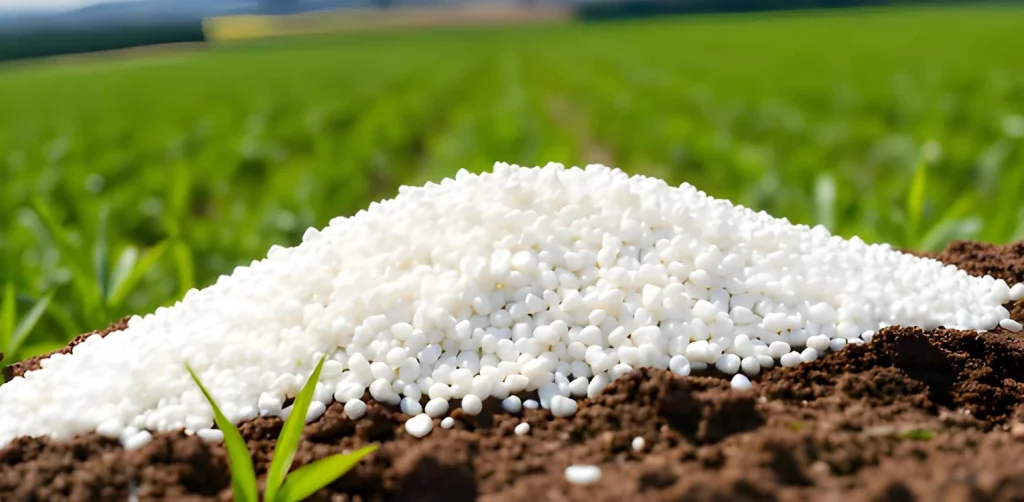
In this guide, we will explore the types of urea fertilizers, their applications, and key considerations when sourcing them. We’ll also discuss how partnering with a reliable supplier like SAEN ensures your crops get the nutrients they need while keeping your operations running smoothly.
Why Urea Fertilizer Is Essential for Agriculture
Nitrogen is a vital nutrient for plant growth, promoting lush foliage, strong stems, and healthy root systems. Urea contains approximately 46% nitrogen, making it one of the most concentrated nitrogen fertilizers available. Farmers worldwide rely on urea to boost crop productivity efficiently.
- Supports rapid vegetative growth in cereals, vegetables, and fruit crops
- Enhances soil fertility when used in combination with organic matter
- Offers cost-effective nitrogen delivery compared to other fertilizers
- Compatible with a wide range of crops and soil types
“Choosing the correct urea type and applying it at the right time can significantly improve crop yields and reduce nitrogen loss.”
Types of Urea Fertilizer
Understanding the different forms of urea is essential for making informed decisions. The most common types include:
1. Granular Urea
Granular urea is widely used in agriculture due to its uniform particle size, ease of handling, and suitability for mechanical spreading. It dissolves relatively slowly, allowing nitrogen to be available to plants over time.
- Ideal for broadcast application on cereals and field crops
- Reduces dust and losses during handling
- Easy to store and transport
Learn more: Granular Urea
2. Prilled Urea (GRADE A & B)
Prilled urea consists of small, bead-like particles that dissolve quickly in water. This makes it suitable for fertigation, foliar sprays, and rapid nitrogen uptake. – GRADE A has high purity and uniform size, ideal for precise agricultural applications. – GRADE B is technically suitable for large-scale field use where minor variations in size and purity are acceptable.
- GRADE A: Excellent for fertigation and high-value crops
- GRADE B: Suitable for bulk field applications
- Fast dissolution and quick nitrogen availability
Learn more: Prilled Urea (GRADE A) | Technical Prilled Urea (GRADE B)
Factors to Consider When Choosing Urea Fertilizer
Selecting the right urea fertilizer depends on several key factors:
1. Crop Type
Different crops have varying nitrogen requirements. Leafy vegetables and cereals benefit from high nitrogen content, while fruiting crops may require a more balanced nutrient approach. Ensure that the urea you select matches the crop’s growth stage and nutrient needs.
2. Soil Type and Condition
Soil characteristics, including pH, organic matter, and moisture content, influence nitrogen availability and efficiency. For example:
- Loamy soils retain nitrogen well and work efficiently with granular urea
- Sandy soils may require split applications to reduce leaching
- Acidic soils benefit from urea combined with lime or buffer fertilizers
3. Application Method
Urea can be applied via broadcasting, fertigation, foliar spray, or banding. Your choice depends on your equipment and crop type. Prilled urea dissolves quickly for fertigation, while granular urea is better for mechanical spreading.
4. Timing of Application
Nitrogen loss through volatilization or leaching can occur if urea is applied at the wrong time. Best practices include:
- Applying before rainfall or irrigation to incorporate nitrogen into the soil
- Splitting doses according to crop growth stage
- Avoiding application during extreme heat to reduce ammonia loss
Benefits of Sourcing from a Trusted Supplier
Buying urea fertilizer from a reliable supplier ensures consistent quality, correct formulation, and timely delivery. Partnering with an experienced supplier like SAEN provides multiple advantages:
- Access to certified GRADE A and GRADE B prilled urea
- High-quality granular urea suitable for large and small farms
- Technical support on selection, application, and storage
- Fast and reliable delivery to reduce crop stress
- Advice on preventive measures to minimize nitrogen loss
Working with a trusted supplier also minimizes risks associated with counterfeit or substandard fertilizers, which can negatively affect yields and soil health.
Storage and Handling of Urea Fertilizer
Proper storage and handling are critical for maintaining urea’s effectiveness:
- Keep urea in a dry, ventilated area away from moisture
- Use sealed containers or bags to prevent contamination
- Avoid mixing with incompatible chemicals that reduce nitrogen availability
- Regularly check stock for caking or degradation
Common Mistakes to Avoid
Many farmers unknowingly reduce the effectiveness of urea due to poor practices:
- Applying too early or too late in the growth cycle
- Excessive application leading to nitrogen burn
- Ignoring soil testing and nutrient balance
- Poor storage leading to moisture absorption and caking
“Proper selection, handling, and timing of urea fertilizer can dramatically improve crop performance and profitability.”
Maximizing Crop Performance with Urea
To get the best results:
- Analyze your soil regularly to determine nitrogen needs
- Select the appropriate urea type (granular or prilled) for your crop and equipment
- Apply nitrogen in split doses to match crop growth stages
- Work with a trusted supplier to ensure consistent quality and availability
These steps ensure that your crops receive the right nutrition at the right time, improving yields, reducing losses, and maintaining soil health.
Conclusion
Choosing the right urea fertilizer is more than a purchase—it’s a strategic decision for crop success. By understanding the differences between granular, prilled GRADE A, and GRADE B urea, considering crop and soil requirements, and partnering with a reliable supplier like SAEN, farmers can maximize productivity, reduce risks, and ensure healthy, high-yielding crops.
For expert advice and high-quality urea fertilizer, contact SAEN today and secure your crops’ nutrient needs with confidence.
Leave a Reply