
Bitumen Shipping Delays: Causes and How to Avoid Them

In international bitumen trade, shipping delays can create serious operational and financial challenges for buyers, contractors, and infrastructure developers.
Since bitumen is commonly used in time-sensitive road construction and industrial projects, even short disruptions in delivery schedules can affect project timelines, labor planning, equipment utilization, and overall costs.
Unlike many standard commodities, bitumen requires specialized transportation, temperature management, and coordinated logistics. This makes the supply chain more sensitive to delays caused by operational, technical, or external factors.
For international buyers, understanding the common causes of shipping delays — and knowing how to reduce these risks — is essential for maintaining efficient and reliable procurement operations.
Why Shipping Delays Matter in Bitumen Supply
Bitumen projects are often connected to strict construction schedules and government infrastructure deadlines. Delayed deliveries may lead to idle machinery, interrupted asphalt production, postponed paving operations, and increased labor expenses.
In some cases, delays can also affect product handling conditions. Since bitumen is temperature-sensitive, prolonged transit or storage issues may complicate unloading procedures and operational efficiency after arrival.
Because of these risks, logistics planning plays a critical role in successful bitumen procurement.
Read More: How to Verify Bitumen Quality Before Importing
Port Congestion and Shipping Traffic
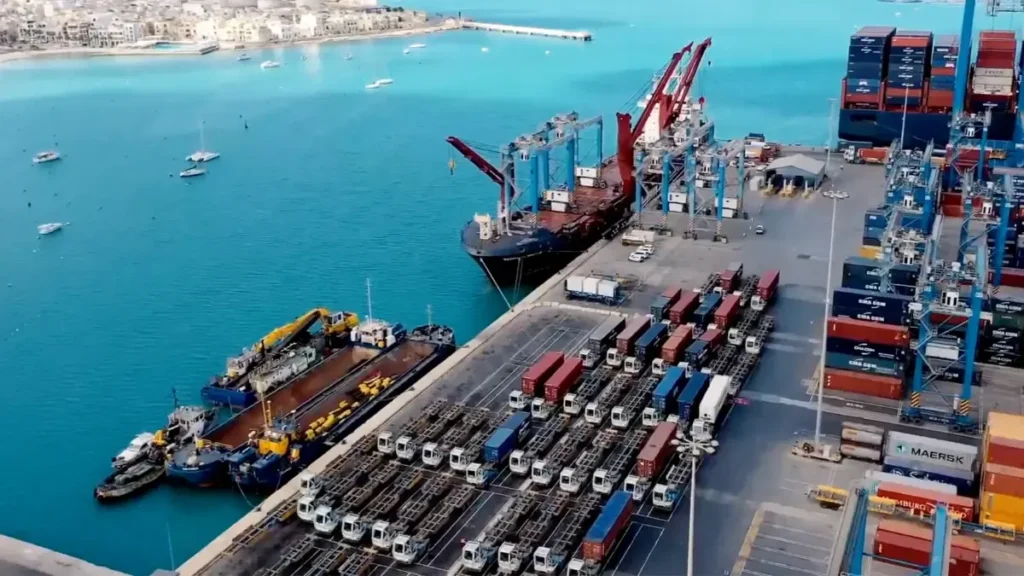
One of the most common causes of delay in international shipments is port congestion. Busy ports may experience high cargo volumes, limited unloading capacity, labor shortages, or customs processing slowdowns.
When vessels are forced to wait for loading or unloading clearance, delivery schedules can shift significantly. During periods of increased global trade activity or seasonal demand, congestion may become even more severe.
Ports with limited infrastructure or inefficient operational systems may also create additional uncertainty for buyers importing large bitumen volumes.
Documentation and Customs Issues
Incorrect or incomplete documentation is another major cause of shipping delays. International bitumen shipments require multiple export and import documents, including invoices, packing lists, certificates of origin, and shipping paperwork.
Even small administrative errors can create customs clearance problems and prevent cargo from moving efficiently through ports.
Professional suppliers understand the importance of accurate documentation and export coordination. Proper preparation before shipment helps reduce the risk of delays caused by customs inspections or administrative complications.
Weather Conditions and Seasonal Disruptions
Extreme weather conditions can also affect international shipping schedules. Storms, heavy rainfall, strong winds, and rough sea conditions may disrupt vessel movement and port operations.
In some regions, seasonal weather patterns significantly influence transportation reliability during certain periods of the year. Buyers who fail to consider these seasonal risks may face unexpected delivery disruptions.
Weather-related delays are often unavoidable, but careful route planning and realistic scheduling can help minimize operational impact.
Read More: How Climate and Traffic Conditions Affect Bitumen Grade Selection
Limited Vessel Availability
Global shipping capacity also affects bitumen transportation timelines. During periods of high international demand, vessel availability may become limited, especially for specialized cargo handling requirements.
This can lead to:
- Increased freight costs
- Longer booking times
- Shipment rescheduling
- Reduced flexibility in delivery planning
Buyers who secure transportation arrangements early are often better positioned to avoid these issues.
Temperature and Handling Challenges
Bitumen requires controlled handling conditions throughout transportation and unloading. Improper heating management or equipment failure can slow down delivery operations and create unloading complications at the destination.
Bulk bitumen shipments, in particular, depend on proper temperature maintenance during transit. If heating systems malfunction or handling procedures are not coordinated properly, unloading efficiency may be affected significantly.
This is why experienced logistics management is essential in bitumen export operations.
Poor Coordination Between Supply Chain Partners
Shipping delays are often caused by communication gaps between suppliers, freight companies, port operators, customs agents, and buyers.
Without proper coordination, problems such as scheduling conflicts, missing paperwork, unloading delays, or transportation mismanagement can quickly escalate.
Successful international procurement requires strong communication and proactive shipment monitoring throughout the logistics process.
How Buyers Can Reduce Shipping Delays
Reducing shipping delays starts with choosing experienced and reliable suppliers who understand international bitumen logistics. Buyers should work with partners that provide transparent communication, accurate documentation, and professional shipment coordination from origin to destination.
Advance planning is also critical. Procurement schedules should include realistic transit timelines, seasonal considerations, and contingency planning for unexpected disruptions.
In many cases, selecting the right packaging method can also improve transportation efficiency and reduce operational complications during loading and unloading.
Professional buyers often prioritize long-term supplier relationships because consistent cooperation improves logistics predictability and communication efficiency over time.
The Importance of Flexible Logistics Planning
International shipping conditions can change quickly due to market demand, geopolitical developments, or operational disruptions. Buyers who maintain flexible procurement and inventory strategies are generally better prepared to manage unexpected delays.
Maintaining proper inventory levels and planning purchases in advance can reduce dependence on urgent shipments and minimize operational pressure when delays occur.
A proactive logistics strategy helps protect projects from unnecessary downtime and financial losses.
How SAEN Supports Reliable Bitumen Delivery
At SAEN, we understand the importance of reliable logistics and on-time delivery in international bitumen supply. Our approach focuses not only on product quality, but also on efficient export coordination and shipment management.
We work closely with clients to support:
- Accurate export documentation
- Flexible packaging solutions
- Professional logistics coordination
- Shipment scheduling and communication
- Reliable international delivery planning
By combining export experience, supply chain coordination, and transparent communication, SAEN helps buyers reduce shipping risks and improve procurement reliability for infrastructure and industrial projects worldwide.
Final Thoughts
Bitumen shipping delays can significantly affect project timelines, operational efficiency, and procurement costs. Many of these delays are caused by preventable factors such as poor planning, documentation errors, limited logistics coordination, or supplier inexperience.
Buyers who take a strategic approach to logistics management and work with reliable international suppliers can reduce operational risk and improve supply chain stability.
Successful procurement is not only about securing the right product — it is also about ensuring the product arrives safely, efficiently, and on schedule.
Looking for Reliable International Bitumen Supply?
SAEN provides dependable bitumen export solutions with professional logistics coordination, flexible packaging options, and consistent international supply support for infrastructure and industrial projects worldwide.
Contact our team today to discuss your shipping and procurement requirements with confidence.
Leave a Reply