
Bitumen Contamination: Causes, Risks, and Prevention
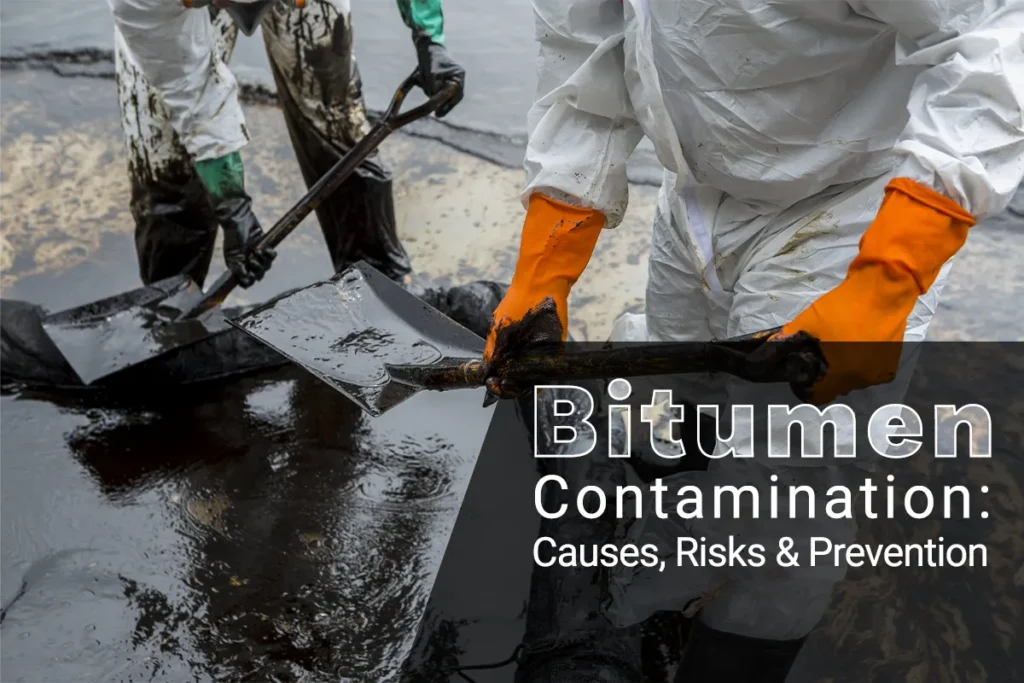
Bitumen quality is essential for reliable asphalt production, road construction, and industrial applications. However, even a bitumen product that meets the required specifications can be affected by contamination during storage, transportation, handling, or transfer.
Contamination can change the physical properties of bitumen, create processing problems, and reduce the performance of the final application. Understanding the common causes and implementing proper handling procedures can help buyers and users protect product quality throughout the supply chain.
What Is Bitumen Contamination?
Bitumen contamination occurs when unwanted materials enter the product or come into contact with it during storage, transportation, or handling.
Potential contaminants include water, dust, dirt, chemicals, fuel residues, incompatible oils, and remnants of other petroleum products. The severity of the problem depends on the type and quantity of the contaminant.
Common Causes of Bitumen Contamination
These causes include:
Contaminated Storage Tanks
Storage tanks that have not been properly cleaned can contain residues from previous products. These residues may mix with newly delivered bitumen and affect its properties.
Tanks should therefore be inspected and cleaned appropriately before receiving a new product, particularly when switching between different grades or materials.
Water Exposure
Water is one of the most common sources of contamination. It can enter through damaged containers, leaking roofs, poorly sealed tanks, or improper transportation and storage conditions.
Water contamination can create handling and processing problems and may cause foaming or other safety concerns when water comes into contact with hot bitumen.
Contaminated Transportation Equipment
Tankers, pipelines, pumps, and transfer equipment can introduce contaminants if they contain residues from previous cargoes.
Equipment used for bitumen transportation should be suitable for the product and properly prepared before loading.
Mixing Different Materials
Unintentional mixing of different bitumen grades or petroleum products can alter the characteristics of the original material.
Clear identification of tanks, pipelines, drums, and other equipment helps reduce the risk of cross-contamination.
Read More: How to Verify Bitumen Quality Before Importing
Risks of Contaminated Bitumen
Contaminated bitumen may no longer meet the technical requirements specified for the intended application.
Changes in viscosity, penetration, softening point, adhesion, or other properties can affect asphalt production and pavement performance. In industrial applications, contamination may also affect the performance of coatings, sealants, waterproofing materials, or other bitumen-based products.
For large-volume shipments, contamination can result in significant financial losses because an entire batch may require additional testing, treatment, replacement, or disposal.
How to Prevent Bitumen Contamination
Which are:
Maintain Clean Storage Facilities
Storage tanks and related equipment should be kept clean and inspected regularly. Any remaining material from previous operations should be assessed before a new shipment is introduced.
Protect Bitumen From Water
Storage and transportation systems should be protected against rain, leaks, condensation, and other sources of water exposure. Packaged bitumen should also be stored in suitable conditions.
Use Dedicated or Properly Prepared Equipment
Where possible, equipment should be dedicated to compatible products. When shared equipment is used, appropriate cleaning and preparation procedures should be followed before loading or transferring bitumen.
Verify the Product Before Use
Quality checks can help identify contamination before the material enters production or application. Depending on the product and project requirements, buyers may verify parameters such as penetration, softening point, viscosity, and other relevant specifications.
Maintain Proper Documentation
Clear documentation of product grade, batch information, storage location, transportation history, and handling procedures can make it easier to identify the source of a contamination problem.
Why Supplier Selection Matters
Contamination risks can begin before the product reaches the buyer. The condition of transportation equipment, packaging, storage systems, and loading procedures can all influence product quality.
Working with an experienced supplier that follows appropriate quality-control and handling procedures can help reduce these risks, particularly for international shipments.
How SAEN Supports Bitumen Quality
SAEN supplies bitumen to international markets and supports buyers with product sourcing, quality requirements, packaging, and export logistics.
For international procurement, SAEN can coordinate supply according to the required bitumen grade, quantity, packaging format, destination, and delivery conditions. Proper coordination throughout the supply chain helps buyers reduce avoidable quality and handling risks.
Contact us for any further information.
Final Thoughts
Bitumen contamination can occur at several stages of the supply chain, from loading and transportation to storage and final handling. Water, dirty equipment, product residues, and accidental mixing are among the most common causes.
Keeping storage and transportation equipment clean, preventing water exposure, verifying product quality, and working with reliable suppliers can significantly reduce the risk of contamination and help maintain consistent bitumen performance.
Leave a Reply