
Buying Bitumen in Bulk: A Practical Guide for Contractors and Importers
Buying bitumen in bulk is not just a procurement task — it is a strategic decision that directly impacts project durability, financial performance, and long-term reputation.
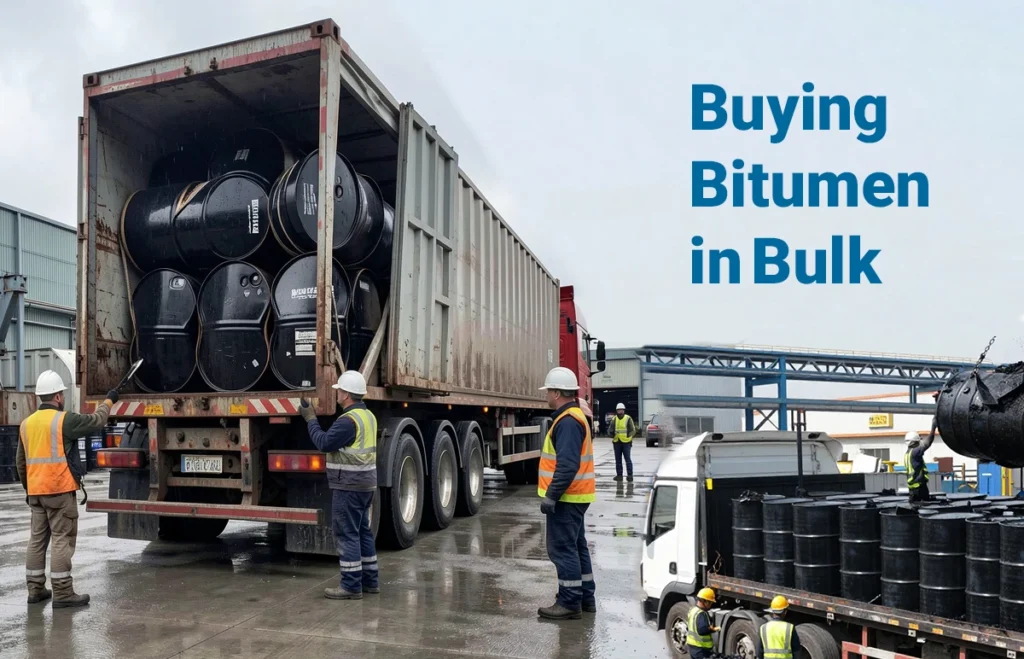
Table of Contents
What Is Bulk Bitumen Supply?
Bulk bitumen refers to the large-volume supply of penetration grade asphalt (such as 60/70 and 85/100) transported in drums, flexitanks, or bulk vessels for infrastructure and road construction projects.
For contractors, importers, and infrastructure developers, one wrong shipment can mean delayed projects, inconsistent asphalt performance, or costly disputes over quality specifications. On the other hand, working with a professional and structured supplier turns bitumen sourcing into a competitive advantage.
This practical guide walks you through what serious buyers should evaluate before placing a bulk bitumen order — and how to minimize risk while maximizing reliability.
1. Understand Exactly What Grade Your Project Requires
Before requesting a quotation, clearly define the grade required for your climate and traffic conditions.
- Bitumen 60/70 – Ideal for highways, heavy traffic roads, and warm climates.
- Bitumen 85/100 – Suitable for cooler regions and moderate traffic loads.
Selecting a grade based purely on price rather than engineering requirements often results in premature rutting or cracking. A professional supplier will always review your application before confirming the order.
If you are unsure about grade selection, review our detailed Bitumen Supply Guide to better understand technical differences.
2. Verify Quality Consistency — Not Just a Single COA
Many bulk buyers make the mistake of checking only one Certificate of Analysis (COA). What truly matters is consistency across multiple batches.
Professional suppliers provide:
- Clear Technical Data Sheets (TDS)
- Batch-specific COA documentation
- Penetration, softening point, and ductility values aligned with ASTM standards
- Transparent refinery sourcing information
Consistency ensures your asphalt plant performance remains stable throughout the entire project cycle.
3. Evaluate Packaging and Logistics Capabilities
Bulk bitumen supply is not only about production — logistics define reliability.
Depending on your destination and unloading facilities, packaging options may include:
- Steel drums
- Jumbo bags
- Bulk vessel shipments
- Flexitank solutions
An experienced exporter coordinates documentation, customs clearance, and port handling to prevent demurrage and unexpected costs.
Explore our Bitumen Packaging and Export Solutions page to understand how structured logistics reduce supply chain risks.
4. Assess Supplier Experience in International Markets
International projects require more than material supply — they demand documentation accuracy, shipment discipline, and communication clarity.
A reliable bulk bitumen supplier should demonstrate:
- Proven export track record
- Experience with government and private infrastructure projects
- Stable refinery partnerships
- Clear contract and payment structure
Working with a structured company reduces uncertainty and protects both technical and financial interests.
5. The Hidden Risks of Choosing the Wrong Supplier
Low-price offers without transparency often lead to:
- Inconsistent penetration values
- Delayed vessel loading
- Blended or off-spec material
- Documentation discrepancies at destination ports
In large-scale road projects, these issues can multiply costs far beyond initial savings.
Professional procurement is not about finding the cheapest offer — it is about securing dependable performance.
Why Professional Buyers Work with Structured Suppliers
At SAEN ENERGY, bulk bitumen supply is managed with a project-oriented approach rather than transactional sales.
Our team evaluates climate conditions, traffic classification, and project duration before confirming grade recommendations. We coordinate refinery sourcing, quality verification, and export logistics under a controlled framework.
We believe that reliable roads begin with reliable material — and reliable material begins with disciplined supply management.
This philosophy has allowed us to support contractors and importers across multiple regions with consistent penetration grade bitumen deliveries.
Final Thoughts
Buying bitumen in bulk is not simply a purchase — it is a partnership decision.
By focusing on grade suitability, quality consistency, logistics capability, and supplier credibility, contractors and importers can significantly reduce operational risk.
If you are planning your next bulk bitumen procurement and require structured supply backed by technical clarity, our team is ready to assist.
Request a quotation or speak with our export team today.
Bulk Bitumen Supply FAQ for Contractors & Importers
What is the most important factor when ordering bulk bitumen?
The most critical factor is selecting the correct penetration grade based on climate conditions and traffic load. Choosing a grade based only on price can lead to premature pavement failure and increased maintenance costs.
How do I verify the quality consistency of bulk bitumen shipments?
Always request batch-specific COA documents, Technical Data Sheets (TDS), and confirmation that the material complies with ASTM standards. Consistency across multiple shipments is more important than a single laboratory report.
What are the common bulk bitumen grades used in road construction?
Bitumen 60/70 is commonly used for highways and heavy traffic in warm climates, while Bitumen 85/100 is typically suitable for cooler regions and moderate traffic conditions.
What packaging options are available for bulk bitumen export?
Bulk bitumen can be supplied in steel drums, jumbo bags, flexitanks, or bulk vessel shipments depending on the destination, unloading facilities, and project requirements.
Why is logistics capability important in bitumen supply?
Reliable logistics prevent vessel delays, demurrage charges, and customs issues. A structured supplier coordinates documentation, port handling, and shipment scheduling to ensure smooth delivery.
What risks are associated with low-cost bitumen suppliers?
Low-price offers may involve inconsistent penetration values, off-spec material, delayed loading, or incomplete export documentation, which can significantly increase project risk.
How can I ensure the supplier has international export experience?
Verify the supplier’s export track record, refinery partnerships, experience in infrastructure projects, and transparency in contracts and payment terms.
What technical documents should accompany a bulk bitumen shipment?
Each shipment should include a Certificate of Analysis (COA), Technical Data Sheet (TDS), commercial invoice, packing list, bill of lading, and any required customs documentation.
Is bulk bitumen procurement a transactional purchase or a long-term partnership?
For large infrastructure projects, bulk bitumen sourcing should be treated as a strategic partnership focused on reliability, consistency, and risk management rather than a one-time transaction.
How can structured suppliers reduce project risk?
Structured suppliers evaluate project specifications, climate conditions, and traffic classification before confirming the grade, while managing refinery sourcing, quality control, and export logistics under a disciplined framework.
Leave a Reply