
What Is the Difference Between Agricultural and Industrial Urea?
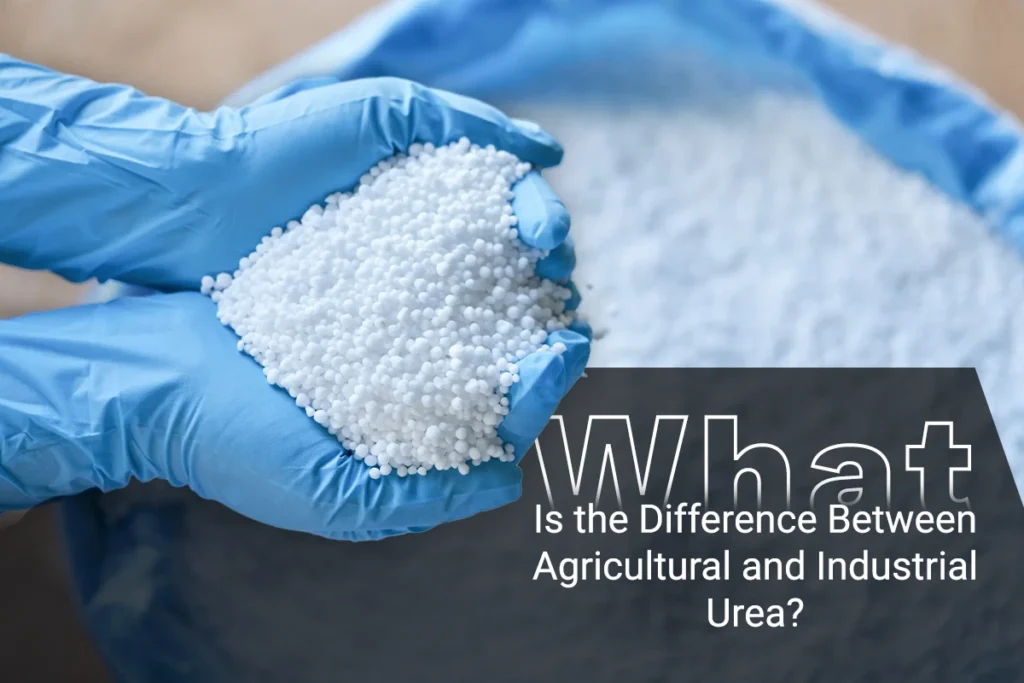
Urea is one of the most widely produced and traded chemical compounds in the world. While many people associate urea primarily with agriculture, it also plays a vital role in numerous industrial applications. Although agricultural and industrial urea share the same basic chemical formula (CO(NH₂)₂), they are manufactured and used according to different quality standards and application requirements.
For international buyers, understanding these differences is essential. Purchasing the wrong type of urea can affect product performance, regulatory compliance, and overall project costs. Whether you are sourcing urea for farming, chemical manufacturing, or industrial processing, knowing which grade meets your needs is the first step toward successful procurement.
What Is Agricultural Urea?
Agricultural urea is a nitrogen-rich fertilizer primarily used to improve soil fertility and increase crop yields. Containing approximately 46% nitrogen, it is one of the most efficient and widely used nitrogen fertilizers available.
After application, agricultural urea is converted into ammonia and then into nitrate, providing plants with the nitrogen they need for healthy growth. It is commonly used in the cultivation of cereals, vegetables, fruits, oilseeds, and many other crops.
Because of its high nitrogen content, affordability, and ease of transportation, agricultural urea is a preferred choice for farmers and fertilizer distributors around the world.
Common Uses of Agricultural Urea
Agricultural urea is used across a wide range of farming operations. It can be applied directly to soil, incorporated into fertilizer blends, or dissolved in water for fertigation systems.
It is widely used in:
- Field crop production
- Fruit orchards
- Vegetable farming
- Greenhouse cultivation
- Pasture management
Its versatility makes it one of the most important fertilizers in modern agriculture.
What Is Industrial Urea?
Industrial urea is produced for non-fertilizer applications where specific quality standards, purity levels, or technical properties are required. While its chemical composition is similar to agricultural urea, industrial-grade material is manufactured to meet the needs of various industrial processes.
Industrial urea is used as a raw material in chemical manufacturing and environmental technologies. Depending on the application, buyers may require tighter specifications regarding impurities, moisture content, particle size, or biuret levels.
Because industrial applications often involve sensitive manufacturing processes, product consistency is especially important.
Common Industrial Applications
Industrial urea serves as a key raw material in many industries. It is commonly used in the production of urea-formaldehyde resins, which are widely used in wood panels, furniture, and construction materials.
Industrial urea is also used in:
- Adhesive manufacturing
- Melamine production
- Chemical synthesis
- Pharmaceutical processes
- Laboratory applications
- Textile and resin industries
Each application may require different technical specifications depending on production requirements.
Key Differences Between Agricultural and Industrial Urea
Although both products contain the same chemical compound, their intended uses and quality requirements differ considerably.
Agricultural urea is designed to supply nitrogen to plants, while industrial urea serves as a raw material for manufacturing and chemical processing.
Industrial-grade urea often requires stricter control over purity and impurity levels because contaminants that may be acceptable in fertilizer applications could interfere with industrial production processes.
Packaging, quality certification, and product specifications may also differ depending on the destination industry and customer requirements.
How to Choose the Right Type of Urea
Selecting the correct urea grade begins with understanding the intended application. Agricultural buyers typically prioritize nutrient content, granule quality, and storage performance. Industrial buyers, on the other hand, usually focus on purity, chemical consistency, and compliance with technical standards.
Before placing an order, buyers should carefully review product specifications and confirm that the supplied material meets the requirements of their application. Working with an experienced supplier can help avoid procurement errors and ensure consistent product performance.
Factors to Consider When Importing Urea
International buyers should evaluate more than just the product itself. Supplier reliability, packaging options, logistics capabilities, documentation, and quality assurance all play important roles in successful procurement.
Whether importing agricultural or industrial urea, buyers should verify:
- Product specifications
- Quality certificates
- Packaging options
- Export documentation
- Delivery schedules
- Supplier experience
Considering these factors helps reduce procurement risks and supports efficient international trade.
How SAEN Supports Global Urea Buyers
At SAEN, we supply high-quality urea products to customers across international markets, serving both agricultural and industrial sectors. We understand that every application has unique technical and commercial requirements, which is why we work closely with clients to provide products that match their specifications and project needs.
From product selection and export documentation to logistics coordination and international delivery, SAEN offers reliable procurement solutions backed by professional service and global trading experience. Our commitment to quality, transparency, and dependable supply helps customers achieve efficient and cost-effective sourcing.
Final Thoughts
Although agricultural and industrial urea share the same chemical foundation, they are designed for very different purposes. Agricultural urea is optimized for crop nutrition and fertilizer applications, while industrial urea is manufactured to meet the higher purity and consistency requirements of chemical and industrial processes.
Understanding these differences allows buyers to select the right product, avoid procurement mistakes, and ensure optimal performance in their intended application. By partnering with an experienced international supplier, businesses can secure reliable access to quality urea products that support long-term operational success.
Looking for a Trusted International Urea Supplier?
SAEN supplies premium agricultural and industrial urea to customers worldwide, offering dependable quality, competitive pricing, and professional export support. Contact our team today to discuss your requirements and discover reliable urea supply solutions tailored to your business.
Leave a Reply