
Oxidized Bitumen
Introduction
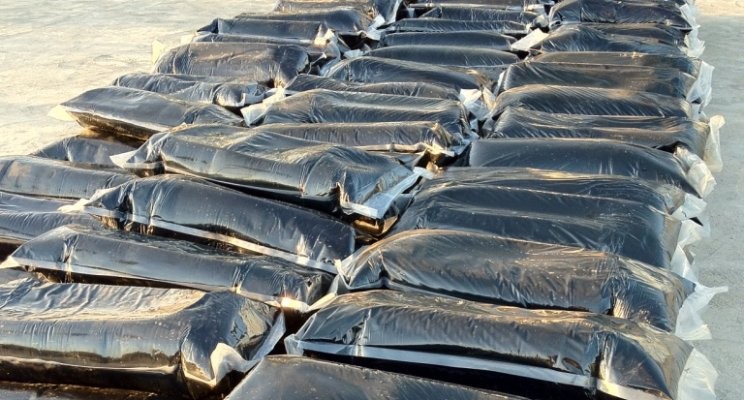
Oxidized bitumen, also known as blown bitumen, is a type of bitumen obtained by blowing air through raw bitumen at elevated temperatures. This process changes the chemical composition and physical properties of bitumen, resulting in a material that is harder, more viscous, and thermally stable compared to conventional paving bitumen. Oxidized bitumen is widely used in industrial and construction applications, especially where durability and resistance to deformation are essential.
Oxidized Bitumen information and sale


Production Process
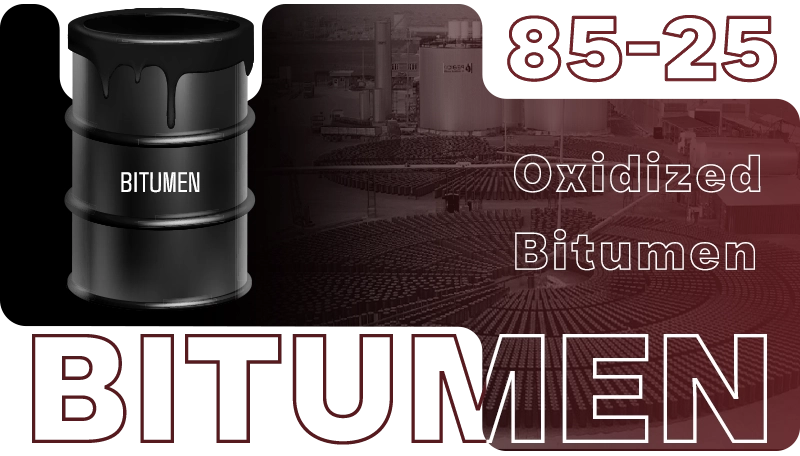
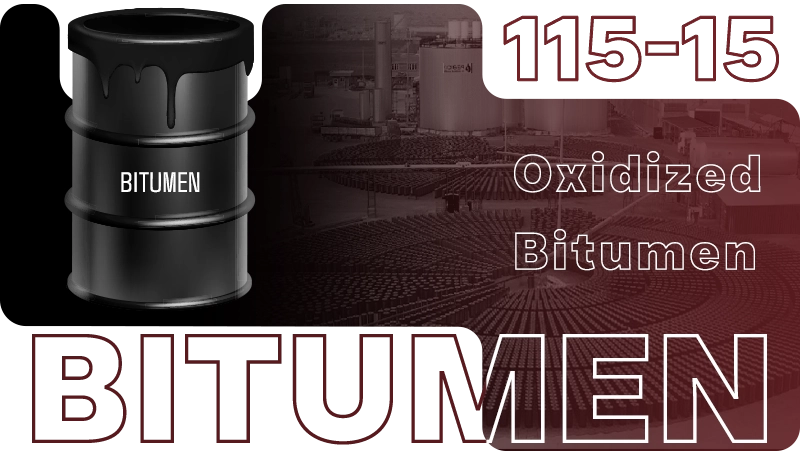
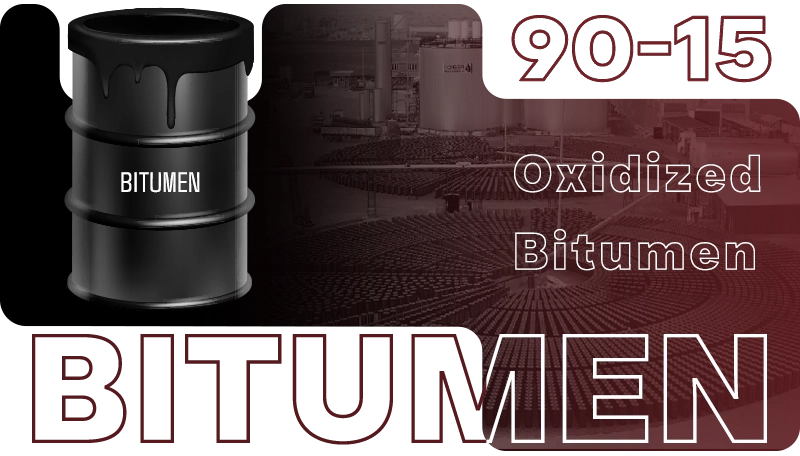
The production of oxidized bitumen involves air blowing. The raw bitumen is heated to temperatures typically between 200–260°C, and air is passed through it under controlled conditions. The oxygen reacts with the bitumen, causing partial oxidation. This increases the softening point, reduces penetration, and enhances viscosity.
The degree of oxidation determines the final properties of the product. By adjusting the temperature, air flow, and blowing time, manufacturers can produce oxidized bitumen grades suitable for different applications, such as roofing, industrial coatings, and road construction.
Physical and Chemical Properties
Oxidized bitumen differs from conventional bitumen in several key properties:
- Hardness and Softening Point: Oxidized bitumen has a higher softening point, which means it remains stable at higher temperatures.
- Penetration: Its penetration value is lower, making it harder and less prone to deformation.
- Viscosity: Increased viscosity provides better adhesion and coating performance.
- Thermal Stability: It resists softening in high temperatures, making it suitable for hot climates.
- Chemical Resistance: Oxidized bitumen has improved resistance to oils, solvents, and atmospheric oxidation, extending its lifespan.
Typical tests for oxidized bitumen include penetration, softening point, ductility, viscosity, and solubility.
Applications
Oxidized bitumen is used in a variety of applications due to its unique properties:
- Roofing and Waterproofing: Its high softening point and low penetration make it ideal for roofing felts, waterproof membranes, and industrial coatings.
- Industrial Uses: Used as a coating for pipelines, tanks, and metal surfaces, providing resistance against corrosion and weathering.
- Road Construction: In some cases, oxidized bitumen is used in surface dressing, mastic asphalt, and heavy-duty pavements where high temperature resistance is needed.
- Adhesives and Sealants: Its strong adhesive properties allow it to be used in adhesive formulations and sealing compounds.
Advantages of Oxidized Bitumen
- Durable and Weather-Resistant: Performs well under extreme temperatures and harsh weather conditions.
- Chemical Resistance: Resistant to solvents, oils, and environmental degradation.
- Improved Adhesion: Offers excellent bonding to surfaces, including metal, concrete, and aggregates.
- Versatility: Can be tailored for specific applications by controlling the oxidation process.
Limitations
- Brittleness at Low Temperatures: Oxidized bitumen can become brittle in extremely cold climates, which may lead to cracking.
- Higher Production Cost: The air blowing process and quality control add to manufacturing costs compared to regular bitumen.
- Limited Use in Flexible Pavements: Its hardness makes it less suitable for applications requiring flexible asphalt unless blended with polymers.
Conclusion
Oxidized bitumen is a versatile and high-performance bitumen type, widely used in industrial, construction, and roofing applications. Its enhanced hardness, thermal stability, and chemical resistance make it suitable for areas where conventional bitumen cannot perform reliably. However, careful consideration is needed for low-temperature environments, and in some applications, blending with modifiers may be required to improve flexibility.
Leave a Reply