
Factors That Influence Asphalt Durability
Asphalt pavements are designed to withstand traffic, weather, temperature changes, and repeated loading over many years. However, not every asphalt pavement performs equally well. Some roads remain in good condition for decades, while others develop cracks, rutting, potholes, and surface deterioration much earlier than expected.
The difference is rarely caused by a single factor. Asphalt durability depends on the quality of the materials, pavement design, construction practices, environmental conditions, traffic loads, drainage, and ongoing maintenance.
For contractors, road developers, and infrastructure procurement teams, understanding these factors is essential for selecting suitable materials and reducing long-term maintenance costs.
What Determines Asphalt Durability?
Asphalt durability refers to the pavement’s ability to maintain its structural and functional performance over time despite repeated traffic and environmental exposure. A durable pavement should resist deformation, cracking, moisture damage, oxidation, and other forms of deterioration.
The quality of the bitumen binder is particularly important because it holds the aggregate particles together and influences the flexibility, strength, and temperature performance of the asphalt mixture.
Bitumen Quality and Grade
The type and quality of bitumen used in an asphalt mixture have a direct impact on pavement performance. Different bitumen grades provide different levels of stiffness, flexibility, and resistance to temperature-related stresses.
Using a grade that does not match the project’s climate and traffic conditions can accelerate pavement deterioration. For example, a binder that is too soft for a hot climate may contribute to rutting, while an excessively hard binder in a cold environment may increase the risk of thermal cracking.
For this reason, contractors should consider temperature conditions, traffic intensity, and project specifications when selecting bitumen.
Aggregate Quality
Aggregates make up a significant portion of an asphalt mixture and provide much of its structural strength. Their properties therefore have a major influence on pavement durability.
High-quality aggregates should have appropriate strength, hardness, shape, and resistance to abrasion. Poor-quality or unsuitable aggregates may break down under repeated traffic loading, reducing pavement stability and accelerating surface deterioration.
Aggregate size distribution is also important because a well-designed gradation helps create a dense and stable asphalt mixture.
Asphalt Mix Design
Even high-quality materials can produce poor pavement performance if the asphalt mixture is not properly designed. Mix design determines the proportions of bitumen, aggregates, mineral filler, and other components.
An appropriate mixture should provide sufficient strength while maintaining the flexibility required for the project’s environmental conditions. Excessive or insufficient binder content can negatively affect performance.
A properly designed asphalt mix helps balance resistance to rutting, cracking, moisture damage, and fatigue.
Temperature Conditions
Temperature is one of the most important environmental factors affecting asphalt durability. Asphalt behaves differently at high and low temperatures.
During hot weather, bitumen becomes softer. If the binder and mix are not sufficiently resistant to high temperatures, heavy traffic can cause permanent deformation and rutting.
At low temperatures, bitumen becomes stiffer. Excessive stiffness can reduce flexibility and contribute to thermal cracking as the pavement contracts.
Selecting the appropriate bitumen grade is therefore essential for achieving reliable performance across the expected temperature range.
Traffic Volume and Heavy Loads
Repeated vehicle loading gradually places stress on asphalt pavement. Roads with high traffic volumes or frequent heavy trucks experience significantly greater loading than lightly used roads.
Heavy commercial vehicles can accelerate fatigue, rutting, and structural deterioration, particularly when the pavement has not been designed for the expected loading conditions.
Traffic projections should therefore be considered during pavement design rather than relying only on current traffic levels.
Read More: How Climate and Traffic Conditions Affect Bitumen Grade Selection
Proper Compaction During Construction
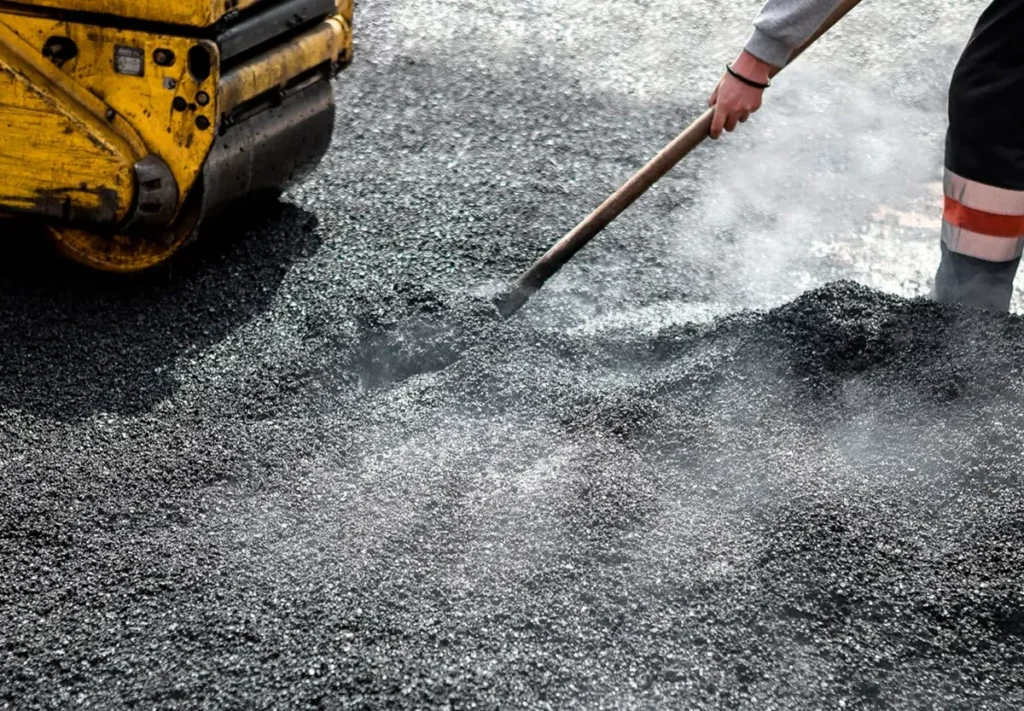
Construction quality has a major influence on asphalt durability. Proper compaction reduces air voids and helps create a dense, stable pavement structure.
Insufficient compaction can leave excessive air voids within the asphalt mixture. This can increase permeability and allow water and air to penetrate the pavement, accelerating oxidation and moisture-related damage.
Proper temperature control during mixing, transportation, placement, and compaction is also essential for achieving the desired pavement density.
Moisture and Drainage
Water is one of the most damaging factors affecting asphalt pavement. When water penetrates the pavement structure, it can weaken the bond between bitumen and aggregate and contribute to stripping and other forms of moisture damage.
Poor drainage can make these problems significantly worse by allowing water to remain within or beneath the pavement for extended periods.
Effective drainage systems, appropriate pavement design, and proper construction practices help prevent water-related deterioration and extend pavement service life.
Oxidation and Aging
Bitumen naturally changes over time as it is exposed to oxygen, sunlight, and temperature fluctuations. This process, known as oxidation, gradually makes the binder harder and less flexible.
As the asphalt ages, it can become more susceptible to cracking and surface deterioration. The rate of aging depends on factors such as climate, pavement composition, air void content, and exposure conditions.
Using appropriate materials and maintaining the pavement properly can help slow the effects of aging.
Construction Quality
The best materials cannot compensate for poor construction practices. Problems during mixing, transportation, laying, or compaction can significantly reduce pavement life.
Common construction-related issues include improper temperatures, inadequate compaction, inconsistent mix proportions, poor joint construction, and insufficient surface preparation.
Quality control throughout the construction process is therefore essential for achieving the performance expected during the design stage.
Regular Maintenance
Even a well-designed asphalt pavement requires maintenance. Small cracks, drainage problems, and surface defects can become much more serious if they are ignored.
Early maintenance can prevent minor defects from developing into expensive structural failures. Crack sealing, resurfacing, drainage improvements, and other maintenance measures can help extend pavement service life.
For infrastructure owners, preventive maintenance is generally more cost-effective than waiting until major rehabilitation becomes necessary.
How SAEN Supports Durable Asphalt Projects
At SAEN, we understand that bitumen quality is an important part of long-lasting asphalt pavement. As an international bitumen supplier, we provide reliable bitumen solutions for road construction, infrastructure development, and industrial applications.
Our team supports contractors, distributors, and infrastructure developers with suitable bitumen grades, consistent product quality, and professional international export coordination. By understanding the technical requirements of each project, buyers can select materials that are better suited to their climate, traffic conditions, and pavement specifications.
Reliable bitumen supply is an important step toward building asphalt pavements that deliver consistent performance throughout their service life.
Final Thoughts
Asphalt durability depends on the interaction of multiple factors. Bitumen grade, aggregate quality, mix design, temperature, traffic loads, compaction, drainage, oxidation, construction quality, and maintenance all contribute to pavement performance.
For contractors and project owners, focusing on the entire pavement system rather than a single material is the best way to improve durability. Selecting appropriate bitumen and working with reliable suppliers can also help reduce premature deterioration and long-term maintenance expenses.
Ultimately, investing in proper material selection and construction quality at the beginning of a project can deliver significant savings throughout the pavement’s lifecycle.
Looking for a Reliable Bitumen Supplier?
SAEN supplies quality bitumen for road construction and infrastructure projects worldwide, with professional export coordination and flexible supply solutions.
Contact SAEN to discuss your bitumen requirements and find a suitable solution for your asphalt project.
Looking for Reliable Bitumen Supply?
Contact our team for competitive bitumen pricing, bulk supply inquiries, export opportunities, and the latest global market insights. We support international buyers, traders, contractors, and infrastructure companies across multiple regions.
Leave a Reply