
Complete Guide to Bitumen Supply and Export
Bitumen supply is more than a transaction. It is a structured process that directly impacts infrastructure durability, construction timelines, and long-term maintenance costs.
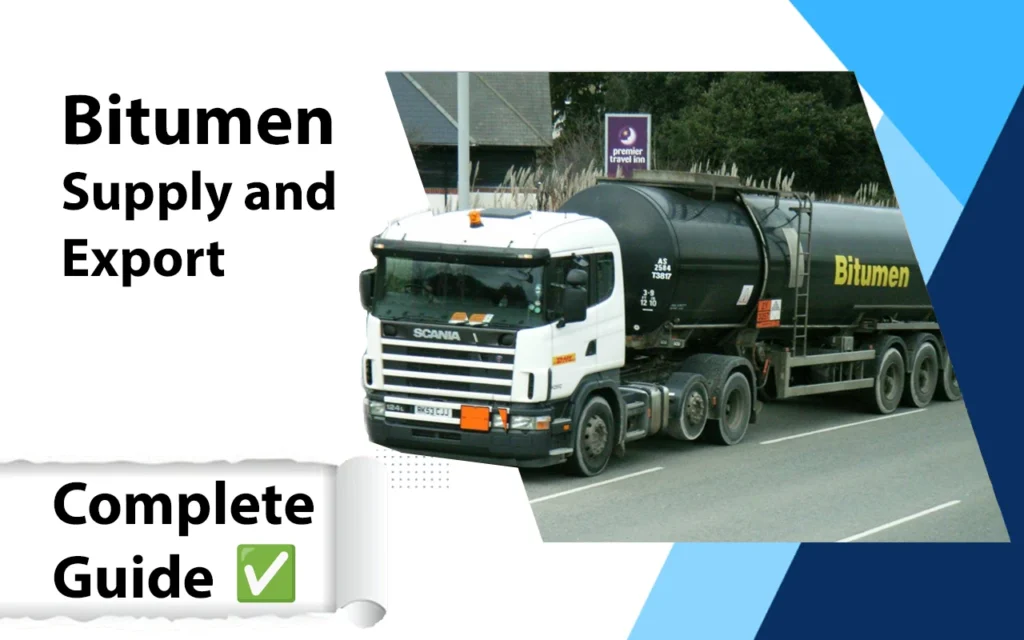
As a professional bitumen supplier and exporter, understanding supply chain stability, refinery sourcing, and export coordination is essential for long-term infrastructure performance. Global buyers increasingly prioritize structured suppliers over short-term traders.
For contractors, government buyers, and international importers, understanding how professional bitumen supply works is essential before placing bulk orders. From grade selection to quality verification and export logistics, every step matters.
This complete guide explains how bitumen supply is managed professionally — and what serious buyers should expect from a reliable supplier.
Understanding Bitumen Grades for Road Construction
Choosing the correct bitumen grade is the foundation of successful asphalt performance. Penetration grade bitumen remains the most widely used material in road construction projects worldwide.
- Bitumen 60/70 – Suitable for highways, heavy traffic roads, and warm to moderate climates.
- Bitumen 85/100 – Recommended for cooler regions and roads with moderate traffic loads.
Each grade differs in penetration value, flexibility, and resistance to deformation. Selecting the wrong grade can lead to premature rutting or cracking, increasing long-term repair costs.
How Professional Bitumen Supply Works
Reliable supply is built on consistency, documentation, and refinery-backed sourcing.
A structured bitumen supply process typically includes:
- Refinery allocation and batch confirmation
- Laboratory testing and quality verification
- Issuance of Technical Data Sheet (TDS)
- Certificate of Analysis (COA) for each batch
- Pre-shipment inspection (if required)
Professional suppliers focus not only on delivering material, but on maintaining consistent penetration and softening point values across multiple shipments.
Quality Control and International Standards
In global markets, compliance with ASTM and other international standards is non-negotiable.
Before confirming a supplier, buyers should verify:
- Penetration value accuracy
- Softening point stability
- Ductility performance
- Flash point compliance
Inconsistent quality often becomes visible only after asphalt production begins — which is already too late. Preventive verification protects project integrity.
Bitumen Packaging and Export Logistics
Efficient export capability distinguishes professional suppliers from local traders.
Depending on destination requirements, packaging options may include:
- Steel drums
- Jumbo bags
- Bulk vessel shipments
- Flexitank containers
Learn more about available Bitumen Packaging Options and how each method affects handling and unloading.
Export logistics must include accurate documentation, customs coordination, and shipment scheduling to avoid port delays and demurrage costs.
Key Factors When Selecting a Bitumen Supplier
Not all suppliers operate at the same professional level. Serious buyers evaluate:
- Stable refinery sourcing
- Document transparency
- Export experience
- Consistent batch quality
- Clear communication and contract structure
Low prices without structural reliability often lead to shipment delays, off-spec material, or contractual disputes.
Global Bitumen Supply for Infrastructure Projects
International road and infrastructure projects require disciplined supply management. Climate conditions, traffic intensity, and project timelines must align with material selection and shipment planning.
Professional exporters coordinate refinery production, packaging preparation, inspection procedures, and vessel booking in advance to ensure uninterrupted supply.
In long-term infrastructure development, supplier reliability becomes as important as material quality.
Why Structured Supply Matters for Long-Term Performance
Bitumen directly influences pavement lifespan. A structured supply chain reduces variability, improves asphalt plant performance, and minimizes unexpected maintenance costs.
Infrastructure durability is not achieved through short-term purchasing decisions. It is built through disciplined material sourcing and technical oversight.
About SAEN ENERGY
SAEN ENERGY operates with a project-oriented approach to bulk bitumen supply and export.
Our focus extends beyond shipment delivery. We prioritize grade suitability, batch consistency, and structured export coordination to support contractors and importers in achieving long-term infrastructure performance.
We believe that sustainable roads begin with reliable material — and reliable material begins with professional supply management.
Conclusion
The global bitumen market requires clarity, discipline, and technical understanding. Buyers who evaluate grade selection, quality control, packaging, and logistics together significantly reduce project risk.
If you are planning a bulk bitumen procurement or seeking a structured export partner, our team is ready to assist with transparent documentation and reliable supply coordination.
Contact our supply team to discuss your project requirements.
Frequently Asked Questions (FAQ)
What is the full process of bulk bitumen supply for international projects?
Professional bitumen supply begins with refinery allocation and batch confirmation, followed by laboratory testing, issuance of Technical Data Sheet (TDS) and Certificate of Analysis (COA), packaging preparation, pre-shipment inspection if required, and coordinated export logistics to ensure on-time delivery.
How do I verify the quality of exported bitumen before shipment?
Buyers should request official refinery-backed COA documents, penetration and softening point test results, and if necessary arrange third-party inspection before loading to ensure compliance with ASTM or project specifications.
What is the minimum order quantity for bulk bitumen export?
Minimum order quantity depends on packaging type and shipment method. Drum shipments typically require container-based quantities, while bulk vessel shipments require significantly higher volume commitments.
Which bitumen grade is best for road construction projects?
The correct grade depends on climate and traffic load. Bitumen 60/70 is widely used for highways and heavy traffic in moderate to hot climates, while 85/100 is suitable for cooler regions requiring higher flexibility.
How long does international bitumen shipping take?
Delivery time depends on refinery allocation, packaging schedule, port operations, and destination country. Standard export timelines range from a few weeks to over a month depending on logistics conditions.
What packaging options are available for bitumen export?
Exported bitumen can be supplied in steel drums, jumbo bags, flexitanks, or bulk vessel shipments depending on destination infrastructure and unloading facilities.
What documents are required for bitumen export transactions?
Standard export documentation includes commercial invoice, packing list, bill of lading, certificate of origin, inspection certificate if required, and refinery-issued quality certificates.
How do professional suppliers ensure batch consistency?
Reliable suppliers maintain strict quality control procedures, monitor penetration and softening point values across batches, and coordinate directly with refineries to minimize variation between shipments.
Why is choosing a structured bitumen supplier important for infrastructure projects?
Inconsistent supply or off-spec material can lead to pavement failure, project delays, and financial losses. A structured supplier ensures stable sourcing, transparent documentation, and coordinated logistics for long-term project performance.
Can long-term supply contracts be arranged for infrastructure developments?
Yes. Large-scale road and infrastructure projects often operate under structured supply agreements that guarantee allocation stability, shipment scheduling, and consistent material quality across multiple deliveries.
Leave a Reply