
Choosing the Best Bitumen Grade for Road Construction
When it comes to road construction, one decision can determine whether a pavement lasts for decades or starts failing within just a few years: choosing the right bitumen grade.
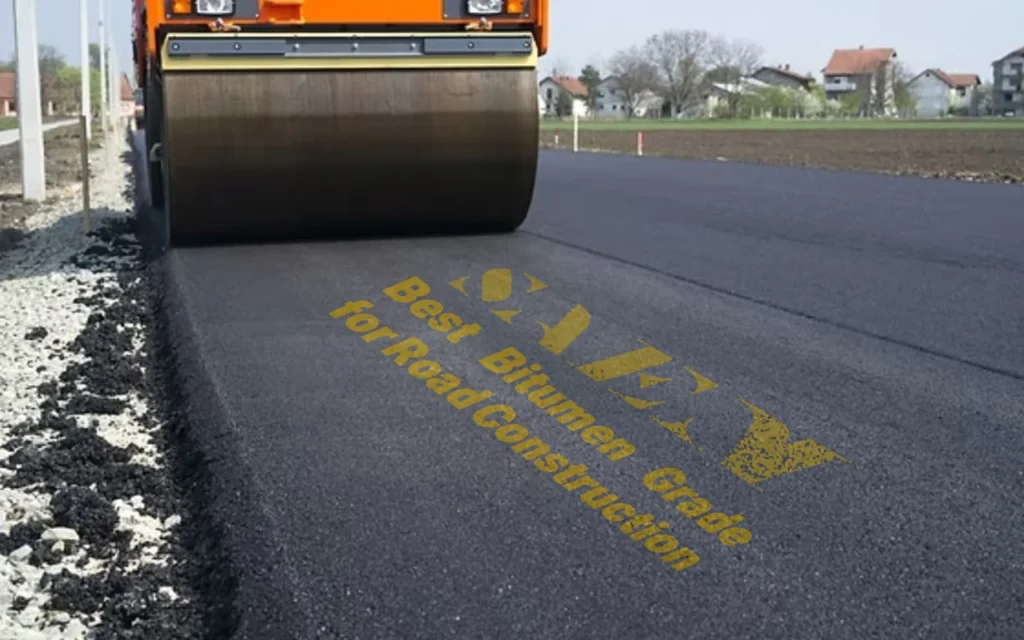
Many contractors focus on aggregates, equipment, and project timelines. Yet the true performance backbone of any asphalt pavement is the binder. Selecting the wrong grade can result in rutting during hot seasons, cracking in colder regions, or premature aging under constant heavy traffic.
So how do you choose the best bitumen grade for your specific road project?
Let’s break it down step by step.
Table of Contents
Why Bitumen Grade Matters More Than You Think
Bitumen is far more than a black binding material. It directly affects:
- Flexibility under repeated traffic loads
- Resistance to temperature fluctuations
- Adhesion between aggregates
- Long-term pavement durability
From practical industry experience, one of the most common causes of early pavement distress is a mismatch between bitumen grade and climate conditions.
In simple terms: not all grades perform the same under the same environment.
Understanding Bitumen Grades for Asphalt Roads
In conventional asphalt production, penetration grade bitumen is widely used. Among the most common grades for road construction are:
Although they may appear similar, their performance differs significantly depending on temperature and traffic intensity.
Bitumen 60/70 – The Preferred Choice for Heavy-Duty Roads
60/70 penetration grade bitumen is considered an industry standard for highways and high-traffic urban roads.
Its advantages include:
- Balanced hardness and flexibility
- Strong resistance to rutting
- Reliable performance in moderate to hot climates
- High structural stability under heavy truck loads
For projects exposed to high traffic volume and warmer temperatures, 60/70 is typically the safer and more durable option.
Bitumen 85/100 – A Flexible Solution for Cooler Climates
85/100 penetration grade bitumen is softer compared to 60/70.
It is generally suitable for:
- Cooler regions
- Roads with moderate traffic
- Projects requiring higher flexibility
This softer grade helps reduce thermal cracking risks in lower temperatures. However, in extremely hot climates or under heavy axle loads, it may deform faster than harder grades.
Selecting 85/100 should always be based on environmental analysis rather than price alone.
Climate and Traffic: The Two Key Decision Factors
Before finalizing your bitumen grade, consider:
- What are the average and peak temperatures in the project area?
- Will the road carry heavy commercial vehicles regularly?
- Is long-term durability prioritized over short-term material savings?
In hot regions, harder grades like 60/70 reduce deformation.
In colder climates, softer grades such as 85/100 improve crack resistance.
There is no universal solution — only the right grade for the right environment.
Why Contractors Trust SAEN ENERGY
At SAEN ENERGY, we have supplied penetration grade bitumen for road construction projects across Central Asia, East Africa, and CIS regions.
Through real project involvement, we have observed that improper grade selection is one of the most underestimated risks in asphalt construction.
In a recent highway supply project in Central Asia, a contractor initially requested a softer grade due to budget considerations. After reviewing regional temperature data and projected heavy truck traffic, our technical team recommended switching to 60/70 instead of 85/100.
The result was improved rutting resistance during peak summer conditions and reduced long-term maintenance risk.
This reinforces a principle we stand by: Reliable roads begin with reliable bitumen — and the right engineering decision.
At SAEN ENERGY, our focus is not simply on supplying material, but on ensuring the selected grade aligns with real project demands.
Final Thoughts
Choosing the best bitumen grade for road construction is not merely a technical checkbox — it is a strategic decision that directly impacts pavement lifespan and maintenance costs.
Whether your project requires 60/70 for structural strength or 85/100 for improved flexibility, the selection must be based on climate conditions, traffic load, and verified quality standards.
If you are planning a road construction project and require guidance in selecting the appropriate grade, working with an experienced and technically informed supplier can significantly reduce project risk and improve long-term performance.
Ready to choose the right bitumen for your project? Contact SAEN ENERGY today for expert guidance.
Leave a Reply